
Garden Design Mistakes to Avoid (And How to Get It Right First Time)

Dan Naylor • February 11, 2026

A new garden can completely transform how you use your outdoor space — but small mistakes in planning and design can lead to years of frustration, unnecessary costs, and extra maintenance.


Whether you’re refreshing part of your garden or planning a full redesign, here are some of the most common garden design mistakes — and how to avoid them.


1. Not Designing the Garden Around How You’ll Use It


One of the biggest mistakes homeowners make is focusing purely on how a garden looks, not how it will be used.


Ask yourself:

• Will you entertain guests often?

• Do you need space for children or pets?

• Do you want a quiet place to relax?


A good design balances aesthetics with practicality, ensuring your garden works for your lifestyle.


2. Choosing Style Over Practicality


Trendy materials and features can look great — but they’re not always the right fit for every garden.


Common issues include:

• Slippery surfaces in shaded areas

• Decking that requires constant maintenance

• Light-coloured paving that shows dirt easily


A professional landscaper will help you choose materials that suit both your garden conditions and how much maintenance you want to do.


3. Ignoring Drainage and Ground Conditions


Drainage problems are often hidden until it’s too late. Poor drainage can lead to standing water, damaged lawns, and unstable paving.


Good garden design considers:

• Soil type and natural water flow

• Proper foundations for patios and paths

• Drainage solutions built in from the start


Getting this right early prevents costly repairs later on.


4. Underestimating the Importance of Lighting


Garden lighting is often an afterthought, but it can completely change how a space feels — especially in the evenings.


Thoughtful lighting can:

• Highlight features like plants and walls

• Improve safety on steps and pathways

• Extend the time you can enjoy your garden


Planning lighting during the design phase avoids disruptive changes later.


5. Overcrowding Plants and Features


It’s tempting to fill every inch of a new garden, but overcrowding leads to constant pruning and a cluttered look.


Better options include:

• Allowing plants room to grow

• Keeping open space for balance

• Using fewer, well-chosen features


A cleaner design often looks more impressive and is easier to maintain.


6. Forgetting About Year-Round Interest


A garden that looks great in summer but bare in winter can feel disappointing.


To keep interest all year:

• Include evergreen plants and structure

• Use hard landscaping for winter appeal

• Add textures like stone, timber, and grasses


A well-designed garden should look good in every season.


7. Not Getting Professional Input Early Enough


Many issues come from trying to “figure it out as you go”. While DIY can work for small projects, larger landscaping benefits hugely from professional planning.


An experienced landscape gardener can:

• Help you avoid costly mistakes

• Maximise the use of space

• Create a garden that lasts


Thinking About Redesigning Your Garden?


Avoiding these common mistakes can save you time, money, and stress. With the right planning and expert advice, your garden can be practical, beautiful, and built to stand the test of time.


Get in touch to discuss your ideas and see how we can help bring your garden to life.
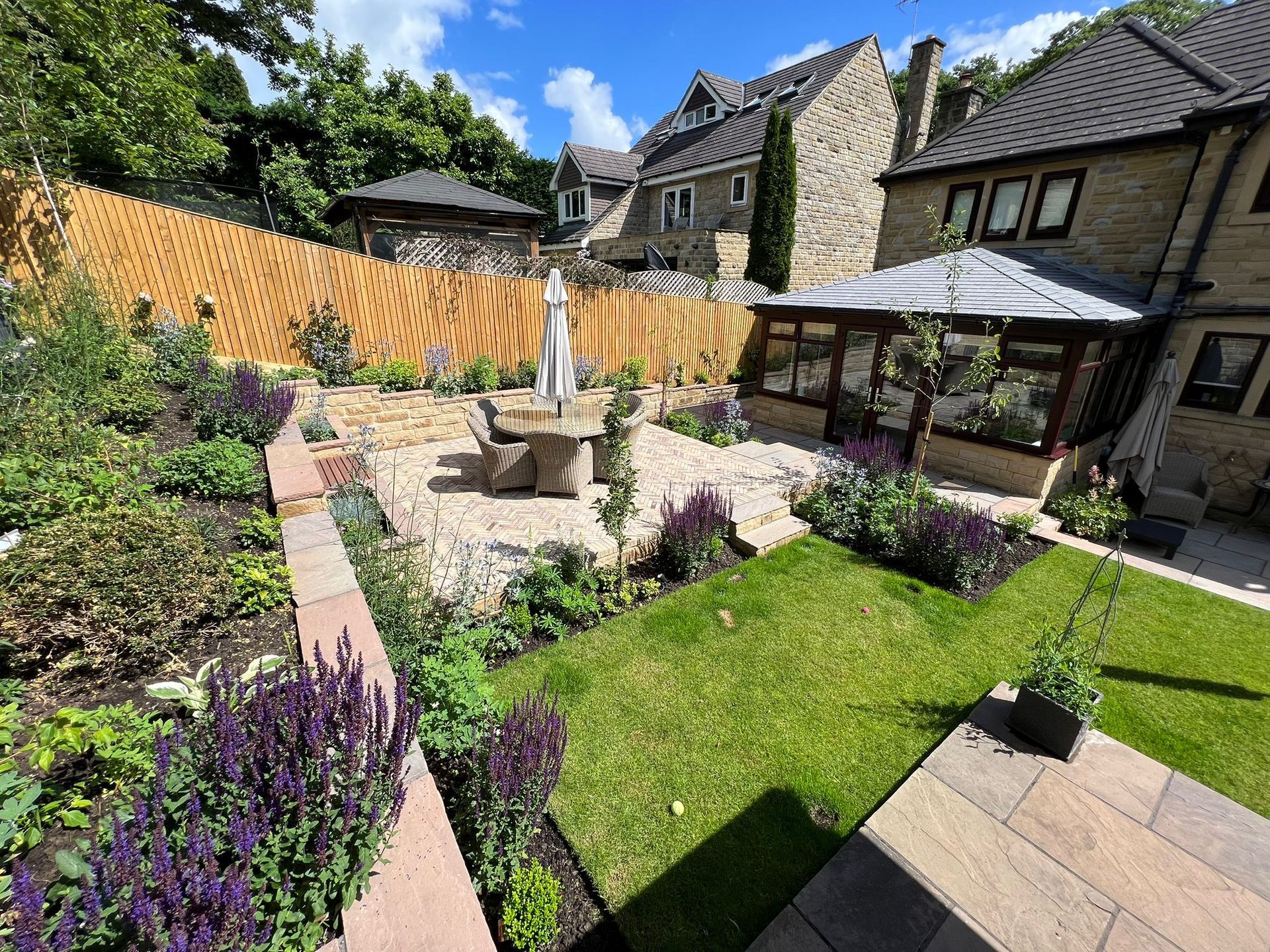
By Dan Naylor February 11, 2026
As the days get longer and the weather starts to warm up, now is the perfect time to give your garden a little attention. A bit of preparation in early spring can make all the difference, helping your outdoor space thrive throughout spring and summer — and saving you time and effort later on. Here are some simple, effective ways to get your garden ready for the brighter months ahead. ⸻ 1. Clear Up Winter Debris Winter can leave gardens looking tired. Start by removing fallen leaves, broken branches, and any dead plants left over from the colder months. Clearing these away improves airflow, reduces pests and disease, and gives you a clean slate to work with. Tip: Compost what you can — it’s great for your soil later in the year. ⸻ 2. Tidy Up Lawns and Borders Early spring is a great time to give lawns and borders a refresh. • Rake moss and thatch from lawns • Edge borders to create clean, defined lines • Remove weeds before they have a chance to spread If your lawn looks thin or patchy, consider overseeding to encourage thicker, healthier growth as temperatures rise. ⸻ 3. Feed the Soil Healthy gardens start with healthy soil. After winter, soil can be compacted and low on nutrients. • Add compost or well-rotted manure to beds and borders • Lightly turn over soil to improve drainage and aeration • Apply mulch to retain moisture and suppress weeds Feeding your soil now sets the foundation for stronger plants and better results throughout the season. ⸻ 4. Prune and Cut Back Carefully Spring is the ideal time to prune many shrubs and plants, encouraging fresh growth and better flowering. • Cut back perennials that died back over winter • Prune shrubs that flower in summer • Remove dead or damaged branches from trees and hedges Always check specific plant requirements, as some spring-flowering plants should be pruned after blooming. ⸻ 5. Plan Your Planting Before planting, take time to plan what you want from your garden this year. • Think about colour, height, and flowering times • Consider low-maintenance plants if time is limited • Choose plants suited to your soil and sunlight levels Planting with a clear plan helps create a balanced garden that looks good from spring right through to summer. ⸻ 6. Check Paths, Patios, and Fencing Spring is a great time to inspect hard landscaping features. • Clean patios and pathways to remove algae and dirt • Repair loose paving or damaged decking • Check fences and gates for stability after winter weather Small repairs now can prevent bigger problems later — and make your garden safer and more enjoyable. ⸻ 7. Consider Professional Help If your garden needs more than a tidy-up, bringing in a professional landscape gardener can help transform your space. From lawn care and planting to full garden redesigns, expert support ensures your garden reaches its full potential just in time for summer. ⸻ Ready to Enjoy Your Garden This Season? A little preparation goes a long way. Whether you’re planning family barbecues, relaxing evenings outdoors, or simply want a garden you can be proud of, starting now will help you make the most of spring and summer. If you’d like help getting your garden ready, feel free to get in touch — we’d be happy to help.
By Dan Naylor February 11, 2026
Not everyone has the time (or desire) to spend every weekend gardening — but that doesn’t mean your outdoor space can’t look fantastic. With the right design choices and materials, it’s completely possible to create a garden that’s low maintenance, practical, and beautiful all year round. Here are some smart, landscaper-approved ways to reduce upkeep without compromising on style. ⸻ 1. Start With a Simple, Thoughtful Layout A clear, well-planned layout makes a huge difference. Complicated shapes, lots of small borders, and awkward corners all increase maintenance. • Use clean lines and defined areas • Limit the number of different materials • Group plants together rather than scattering them A simple layout is easier to manage and creates a calmer, more modern look. ⸻ 2. Choose Plants That Look After Themselves Plant choice is key in a low-maintenance garden. Opt for plants that are suited to your soil and climate and don’t require constant attention. Good low-maintenance options include: • Evergreen shrubs for year-round structure • Hardy perennials that return each year • Ornamental grasses for movement and texture Avoid plants that need regular pruning, feeding, or watering unless you’re happy to stay on top of them. ⸻ 3. Reduce Lawn Size (Or Rethink It Completely) Lawns often require the most ongoing work — mowing, feeding, scarifying, and edging. To cut maintenance: • Reduce lawn areas and replace with paving or gravel • Use raised beds or borders to break up space • Choose slower-growing turf varieties For some gardens, artificial grass or no lawn at all can be a practical and attractive solution. ⸻ 4. Use Mulch to Suppress Weeds Mulching is one of the simplest ways to cut down on weeding. Benefits of mulch include: • Suppresses weed growth • Helps retain moisture • Improves soil health Bark, gravel, or decorative stone can all be used depending on the style of garden you want. ⸻ 5. Install Hard Landscaping That Lasts Quality hard landscaping pays off long-term. Well-installed patios, paths, and retaining features require minimal upkeep and instantly elevate a garden. Popular low-maintenance features include: • Porcelain paving • Composite decking • Stone or concrete edging Choosing durable materials upfront reduces repairs and ongoing maintenance costs. ⸻ 6. Add Smart Drainage and Irrigation Poor drainage can quickly create problems — muddy lawns, waterlogged borders, and damaged paving. Consider: • Improving drainage during landscaping works • Installing simple irrigation systems for borders • Using permeable materials where possible These behind-the-scenes details save time and protect your garden investment. ⸻ 7. Get Professional Advice Early Many maintenance issues come from design decisions made at the start. A professional landscape gardener can help you plan a garden that fits your lifestyle, not just your space. By thinking ahead, you’ll avoid costly changes later and enjoy a garden that looks great with minimal effort. ⸻ Want a Garden That Works Around You? A low-maintenance garden doesn’t mean boring — it means smart design, the right materials, and expert planning. Whether you want to refresh an existing garden or start from scratch, professional landscaping can make all the difference. Get in touch to discuss how we can help create a garden that’s easy to maintain and built to last.